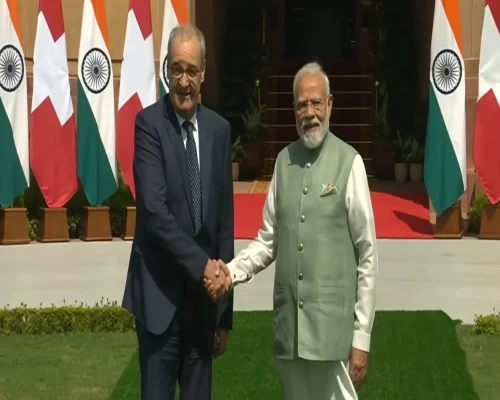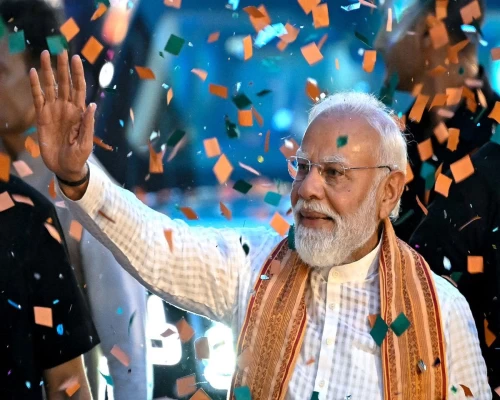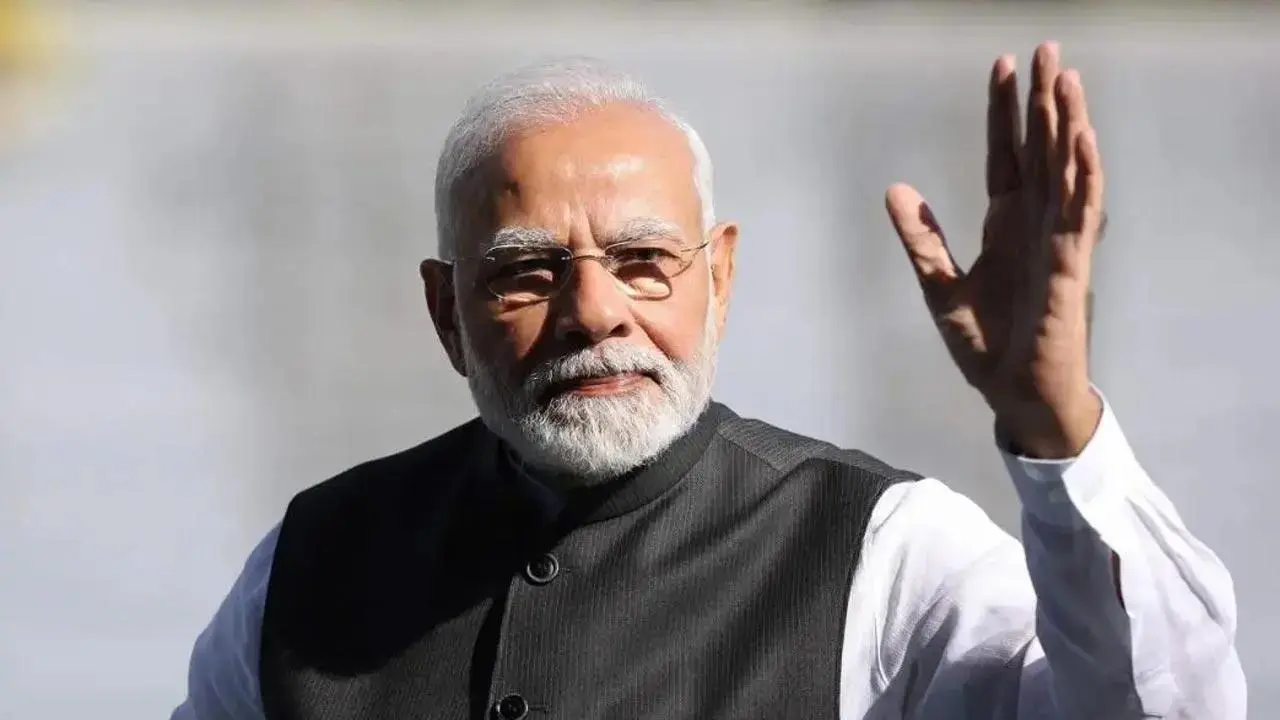
New Delhi: Prime Minister Narendra Modi on Wednesday became the longest-serving elected Prime Minister in India's history in terms of continuous tenure, completing 4,399 consecutive days in office and surpassing the previous record of 4,398 days held by Jawaharlal Nehru.
Marking the occasion, the Union Cabinet adopted a resolution congratulating Modi and describing June 10, 2026 as a significant day in the country's democratic journey. The Cabinet said the achievement reflects the confidence reposed in him by the people and comes as the NDA government completes 12 years under his leadership.
The resolution noted that Modi is also approaching 25 years of uninterrupted service as Head of Government, counting his tenure as Chief Minister of Gujarat and Prime Minister. It highlighted that the NDA secured a third consecutive term after the 2024 Lok Sabha elections, a feat achieved by a governing alliance after six decades.
Recalling Modi's 2014 declaration as the "Pradhan Sevak", the Cabinet said his tenure has focused on welfare delivery, inclusive growth and nation-building. It pointed to large-scale expansion of basic services, including housing, electricity, drinking water and direct benefit transfers.
The resolution highlighted welfare measures such as free foodgrain distribution for over 80 crore beneficiaries and free healthcare coverage for more than 60 crore people. According to the Cabinet, these initiatives helped improve living standards and enabled over 25 crore people to move out of poverty.
The document also outlined initiatives aimed at youth, women and farmers. It referred to India's rise as the world's third-largest startup ecosystem, advances in space exploration through Mission Chandrayaan and efforts to strengthen innovation and entrepreneurship.
For women, the resolution cited programmes ranging from clean cooking initiatives and the Lakhpati Didi campaign to the provision of 33 per cent reservation in legislative bodies. It described these measures as part of a broader push towards "Women-Led Development".
In the agriculture sector, the Cabinet highlighted schemes such as PM Kisan Samman Nidhi and the extension of Kisan Credit Cards to pastoralists and fishermen. It also noted that India's agricultural exports have crossed the Rs 5 lakh crore mark.
The resolution further listed major policy decisions undertaken during Modi's tenure, including the abrogation of Article 370, implementation of the Goods and Services Tax (GST), One Rank One Pension (OROP), enactment of the Citizenship Amendment Act (CAA), introduction of the Bharatiya Nyaya Sanhita and labour law reforms.
On national security, it referred to actions against terrorism, including surgical strikes, cross-border air operations and "Operation Sindoor". It also highlighted efforts to tackle Naxalism, peace agreements in the North-East and the resolution of the border dispute with Bangladesh.
The Cabinet credited initiatives such as Make in India and Aatmanirbhar Bharat with strengthening domestic manufacturing and boosting sectors ranging from defence production to artificial intelligence. It also pointed to India's growing international profile through its G20 Presidency, International Yoga Day, the International Solar Alliance and Mission LiFE.
The resolution further highlighted projects such as the new Parliament building and Kartavya Path, stating that the last 12 years of political stability and policy continuity have contributed to India's emergence as the world's fastest-growing large economy.
As part of the resolution, the Cabinet formally congratulated the Prime Minister, appreciated the welfare measures undertaken under his leadership and reiterated support for his vision of building a "Viksit Bharat".
The resolution concluded by expressing confidence that under Modi's leadership, India will continue to progress as a self-reliant, secure and prosperous nation and move closer to its goal of becoming a developed country by 2047.
BI Bureau
_270_x_189.webp)