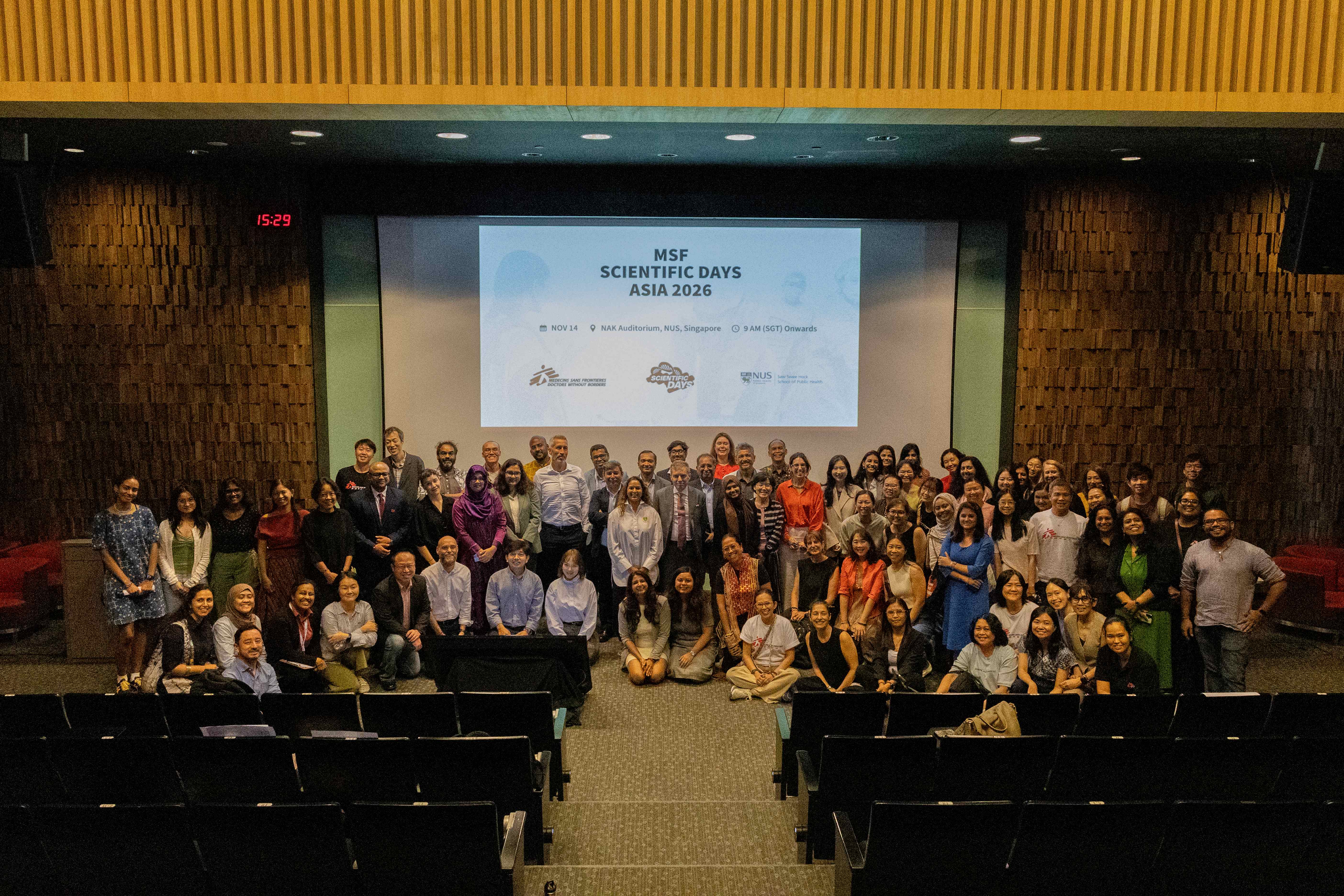
New Delhi: Conflict, climate change, infectious diseases and displacement continue to place pressure on healthcare systems across Asia. For people living through these crises, accessing timely and appropriate medical care can be difficult, particularly where health services are already stretched or disrupted. Against this backdrop, Médecins Sans Frontières (MSF)/Doctors Without Borders convened the MSF Scientific Day Asia 2026 to examine how research, field experience and collaboration can help address these challenges. Held under the theme ‘Humanitarian healthcare in a world of converging crises: from response to transformation,’ the event brought together humanitarian practitioners, researchers, public health experts and regional partners to discuss ways of improving healthcare in crisis-affected and resource-constrained settings.
For the first time, MSF Scientific Day Asia was held in Southeast Asia, creating further opportunities for exchange and collaboration across the Asian region. Building on previous editions, this year's event focused on a central question: how can the knowledge gained through humanitarian operations be translated into better healthcare, stronger policies and more equitable access for people who are often left behind?
Across the region, from Afghanistan to Kiribati, communities face overlapping health challenges, such as; climate-health related risks, infectious disease outbreaks, rising non-communicable diseases and population displacement all affect access to care, often in settings where health systems have limited capacity to respond. MSF's work in these contexts generates practical knowledge through patient care, public health interventions, and operational research. The Scientific Day provided an opportunity to examine how these experiences can inform decisions beyond individual projects and contribute to wider discussions on healthcare delivery.
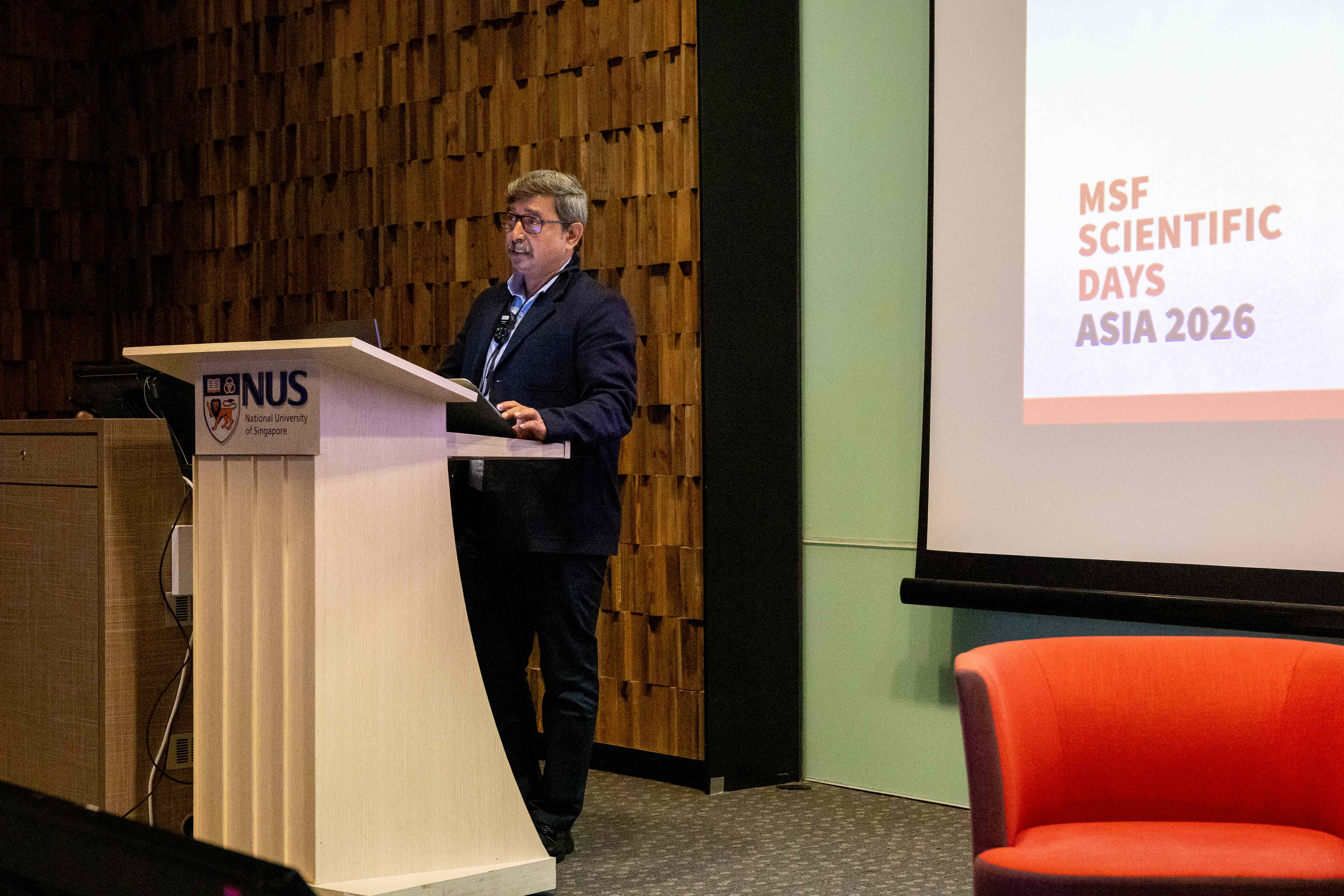
Opening the event, Executive Director of MSF South Asia, Parthesarathy Rajendran spoke about the importance of learning from field operations and using that experience to improve the way humanitarian organisations respond to people's medical needs.
“Humanitarian healthcare cannot stop at responding to immediate medical needs. We must also learn from what we see in the field, understand why people continue to face barriers to care, and use that evidence to improve how we respond. Across South Asia and the wider region, people affected by conflict, displacement and other crises deserve access to quality healthcare. Connecting research with operational experience is essential to ensuring that our responses are informed by evidence and remain focused on the needs of the people we serve,” said Rajendran.
The keynote address by Former Parliamentarian of Singapore, Board Chair and Advisor, Systems Change and Well-Being Leader, Anthea Ong, explored the wider changes needed to make healthcare responses more inclusive and responsive to people's needs. Drawing on her work in systems change and well-being, the keynote speaker brought a perspective that complemented the day's discussions on equity, community participation and the need to look beyond immediate crisis response.
The role of academic research and regional partnerships was another important part of the discussion. Collaboration between universities, humanitarian organisations and communities can help ensure that research addresses practical challenges and that its findings inform decisions on the ground.
Professor and Vice Dean of Global Health at the Saw Swee Hock School of Public Health; National University of Singapore (NUS), Dr. Alex Crook highlighted the importance of building stronger links between research and healthcare practice.
“Research has the greatest value when it moves beyond publications and informs decisions that make a tangible difference to people's lives. Collaboration between academic institutions, humanitarian organisations and communities allows us to bring different forms of knowledge together, identify gaps in current approaches, and develop solutions that respond to real needs. Platforms such as the MSF Scientific Day Asia are important for strengthening these connections and ensuring that evidence can inform more equitable and effective healthcare across the region,” said Dr. Crook.
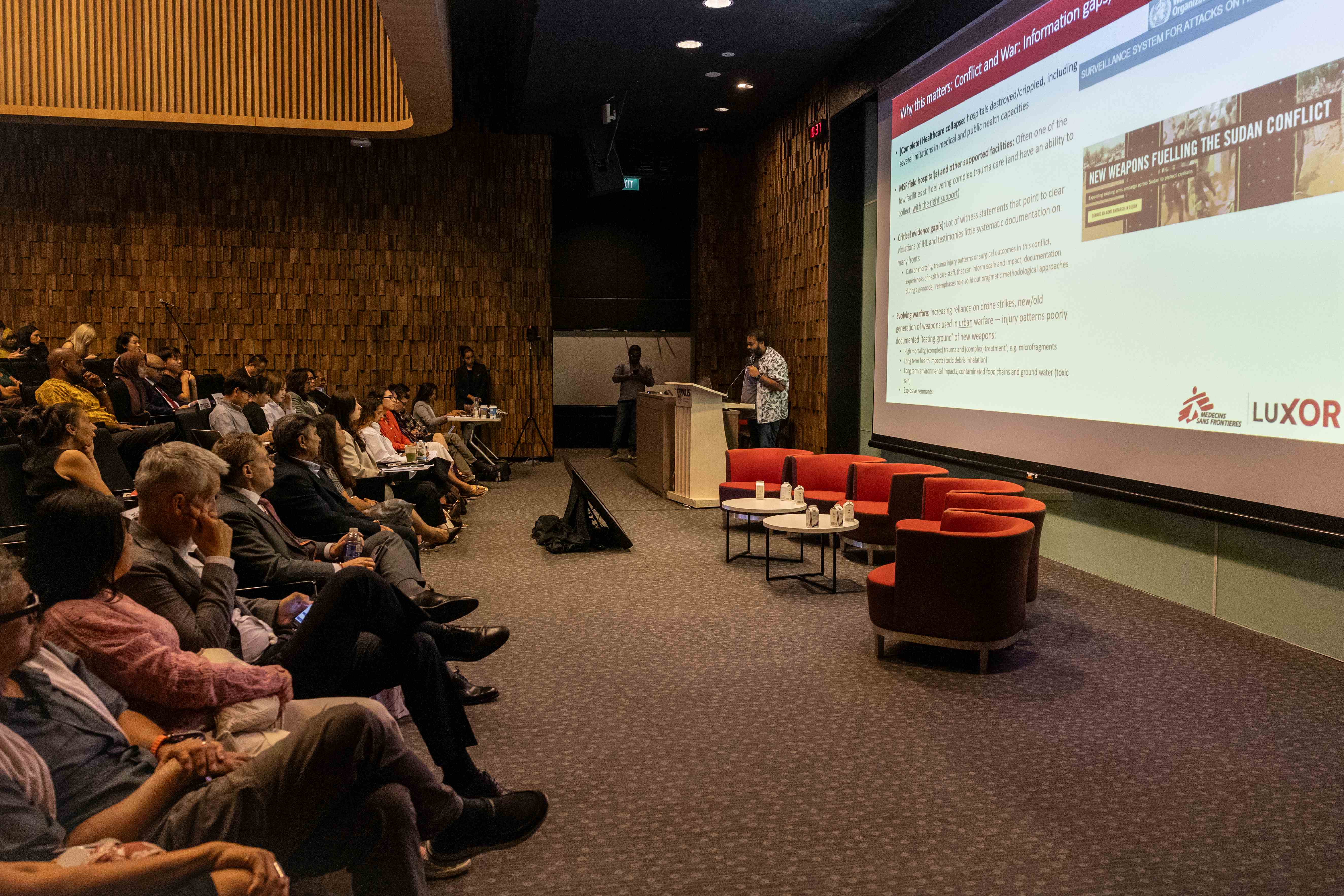
The first session, ‘Care in Crisis – Advancing Quality Healthcare in Conflict and Disasters,’ examined the challenges of delivering medical care in settings affected by conflict, occupation and humanitarian emergencies. Moderated by Jessa Pontevedra, Regional Director of Programmes at MSF Hong Kong and Family, the session featured research on strategic foresight in humanitarian operations, traumatic injuries and surgical interventions at MSF's Gaza Surgical Field Hospital, decentralised care for non-communicable diseases in conflict-affected Syria, and mental health and psychosocial support services in Hebron, Palestine. The session also considered the role of palliative care in humanitarian action.
The presentations explored different aspects of providing care when medical needs are high and resources are limited. They examined how humanitarian teams can anticipate emerging challenges, adapt services to difficult operating environments and respond to the medical and psychosocial needs of people affected by crises. Together, the research highlighted the value of evidence that helps teams make informed decisions and improve the quality of care they provide.
The second session, ‘Beyond Displacement: Advancing Health, Rights and Dignity with Rohingya Communities,’ focused on the healthcare needs and experiences of Rohingya refugees, particularly in Cox's Bazar, Bangladesh. Moderated by Ana Ansari, Regional Humanitarian Advisor for Asia at MSF, the panel brought together research on healthcare-seeking pathways among violence-affected Rohingya refugees, gaps in the readiness of health facilities to provide clinical management of sexual violence, and healthcare workers' knowledge, attitudes and perceptions of incontinence among Rohingya refugees.
The panel also explored MSF's Rohingya Taro Leaf Initiative, which seeks to co-design humanitarian practice and shift power. The discussions highlighted the barriers that can prevent refugees from obtaining appropriate care, as well as the importance of listening to communities and involving them in decisions about the services they need. Strengthening healthcare responses requires not only the availability of services but also the capacity to deliver them appropriately and in ways that respect people's dignity.
Beyond these sessions, the Scientific Day covered six thematic areas: decision-making, ethics and equity; models of care and health system delivery; climate, crisis and health access; infectious diseases and outbreak response; mobility, migration and cross-border health; and data, analytics and anticipatory action. Together, these themes reflected the range of challenges facing humanitarian and public health teams, from ensuring fair access to treatment to using data to anticipate health risks and prepare for emergencies.
Poster presentations, innovations and exhibitions gave participants further opportunities to engage with research and approaches being explored across humanitarian and public health settings. The programme brought operational experience and academic research into the same discussion, encouraging participants to consider how findings could be applied in different contexts across the region.
MSF Scientific Day Asia 2026 highlighted the importance of connecting research with the realities of delivering healthcare in emergencies and protracted crises. For South Asia, where conflict, displacement, climate-related risks and inequalities in access to care continue to affect vulnerable communities, sharing knowledge across borders can help inform responses to common challenges.
By bringing humanitarian practitioners, researchers and regional partners together, the event provided a platform to examine how evidence can support better healthcare decisions and more effective responses. Ultimately, improving access to care requires both strong medical responses and a willingness to listen to patients and communities, learn from their experiences, and address the barriers that keep people from receiving the care they need.
BI Bureau