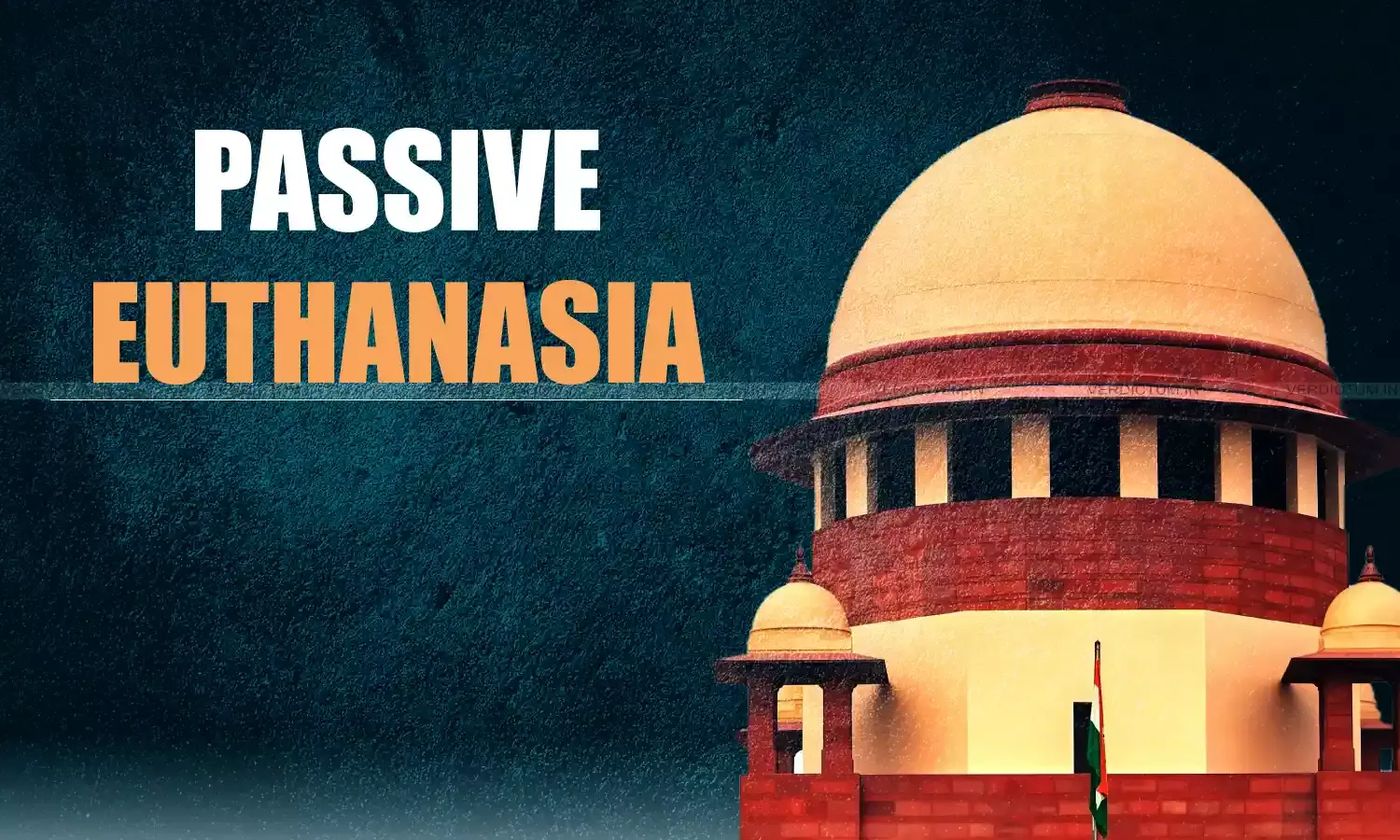
New Delhi: In a landmark order reinforcing the constitutional right to die with dignity, the Supreme Court on Wednesday permitted the withdrawal of life support for a 31-year-old man who has been in a permanent vegetative state for more than 12 years following a severe brain injury.
A bench of Justice JB Pardiwala and Justice KV Viswanathan allowed the plea filed by the patient’s father, observing that continuing life-sustaining treatment in a case where medical recovery is virtually impossible would only prolong suffering without dignity.
The patient, Harish Rana, had slipped into a coma in 2013 after sustaining serious head injuries in a fall while he was pursuing engineering studies. Since then, he has remained in a vegetative state, dependent on artificial support for breathing and feeding, with no meaningful neurological recovery.
During the hearing, the court relied on medical evaluations conducted by expert boards which concluded that the chances of improvement were negligible and that the patient had no realistic prospect of regaining consciousness.
Taking note of the findings and the family’s plea, the court directed that Rana be shifted to All India Institute of Medical Sciences in Delhi, where doctors will follow a medically supervised process to withdraw life-sustaining treatment while ensuring palliative care and dignity.
The ruling marks the first time the apex court has permitted passive euthanasia in a specific case under the legal framework evolved in the landmark 2018 judgment in the Common Cause vs Union of India case, which recognised the right to die with dignity as part of the fundamental right to life under Article 21.
That judgment had legalised passive euthanasia and allowed withdrawal of life support for terminally ill or permanently vegetative patients under strict safeguards. The court later simplified the procedural requirements in 2023 to make the process more workable for families and hospitals.
India had earlier allowed passive euthanasia in principle through guidelines emerging from the widely debated Aruna Shanbaug case in 2011. However, courts had rarely authorised the withdrawal of life support in individual cases.
The latest order is expected to serve as a precedent for hospitals and families grappling with end-of-life decisions, while also reviving ethical and legal debates around autonomy, dignity and the boundaries of medical intervention in cases where recovery is medically impossible.
BI Bureau
_270_x_189.webp)